

A New Study Reveals the Regenerative Capacity of the Aging Brain
- Feb 25
- 2 min read

While cognitive decline has long been considered an inevitable part of aging, a groundbreaking new study reveals that the aging brain retains a remarkable capacity to regenerate. The key to this discovery lies in "SuperAgers"—individuals aged 80 and older who possess the memory recall and cognitive sharpness of people decades younger.
A collaborative study by researchers from the University of Illinois at Chicago, Northwestern University, and the University of Washington, published in Nature, confirms that adult human brains continue to produce new cells in the hippocampus, the brain's memory center. Strikingly, the brains of SuperAgers actively produce twice as many new neurons as those of cognitively healthy older adults, and two-and-a-half times as many as individuals with Alzheimer's disease.
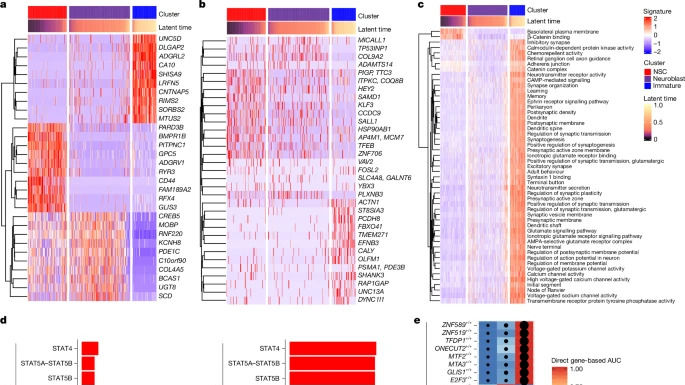
Using an advanced tool called multiomic single-cell sequencing, researchers analyzed brain tissue across different cognitive stages: from healthy young adults to SuperAgers, to individuals with Alzheimer's. They discovered that SuperAgers possess a unique "resilience signature" driven by robust hippocampal neurogenesis—the active development of stem cells into neuroblasts and highly adaptable immature neurons.
These youthful neurons thrive because SuperAgers have a robust cellular ecosystem supporting them. Specifically, astrocytes and CA1 neurons coordinate to boost synapse signaling, creating an enriched environment that nurtures new brain cells and preserves memory. In stark contrast, brains from individuals in the earliest stages of cognitive decline displayed minimal neurogenesis, and those with Alzheimer's disease generated almost no new neurons.
This biological proof of enhanced brain plasticity in SuperAgers proves that the aging brain is not inherently doomed to deteriorate. By unraveling the environmental and molecular mechanisms behind this extraordinary neuron growth, researchers hope to unlock targeted therapies that can promote cognitive resilience and prevent the devastating onset of Alzheimer's disease.
🔖 Sources

Keywords: Aging Brain
Aging Brain


Comments