

Genomic Revolution: AI Predicts Diseases from DNA
- Dec 15, 2025
- 2 min read

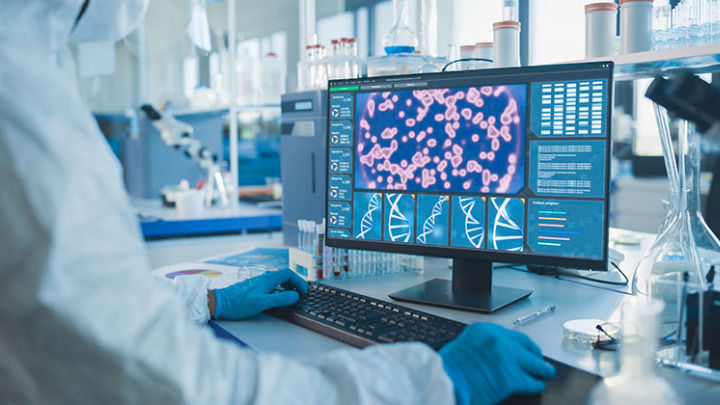
Scientists at the Icahn School of Medicine at Mount Sinai have unveiled a powerful new artificial intelligence (AI) tool, called V2P (Variant to Phenotype), designed to fundamentally change how genetic mutations are analyzed and diagnosed. This development marks a significant step toward precision medicine by predicting not only whether a genetic variant is harmful, but the specific type of disease it is likely to trigger. The findings detailing the method were published in the December 15 online issue of Nature Communications.
Traditional genetic analysis tools often fall short, capable only of estimating if a mutation is pathogenic without identifying the specific illness it may cause. V2P addresses this limitation by leveraging advanced machine learning to connect genetic variants with their likely phenotypic outcomes—the diseases or traits a mutation might cause—effectively forecasting how a patient's DNA could impact their future health.
The primary goal of V2P is to accelerate genetic diagnostics and support the discovery of new treatments, especially for rare and complex conditions.
First author David Stein, PhD, explained that this new approach allows researchers to “pinpoint the genetic changes that are most relevant to a patient’s condition, rather than sifting through thousands of possible variants”. By determining both if a variant is pathogenic and the disease type it is likely to cause, the tool improves both the speed and accuracy of genetic interpretation.
During testing on real, de-identified patient data, V2P demonstrated its efficacy by often ranking the actual disease-causing mutation within the top 10 candidates, suggesting it can substantially reduce the time and effort needed for diagnosis.
Beyond diagnostics, V2P holds immense potential for therapeutic research. Dr. Avner Schlessinger, co-senior and co-corresponding author, noted that the tool could help drug developers identify the genes and pathways most closely linked to specific diseases. This insight is critical for guiding the development of therapies that are genetically tailored to the mechanisms of complex and rare conditions.
The development of V2P represents a significant stride toward individualized healthcare, where treatments are chosen to match a patient’s unique genomic profile.
Currently, V2P classifies mutations into broad disease categories, such as nervous system disorders or cancers. Researchers plan to enhance the tool's precision so it can predict more narrowly defined disease outcomes and integrate it with additional data sources to further support drug discovery efforts.
Dr. Yuval Itan, co-senior and co-corresponding author, emphasized the tool's wide-ranging implications for patient care and research, stating that V2P provides a clearer window into how genetic changes translate into disease. By connecting specific variants to likely diseases, the team can better prioritize which genes and pathways need deeper investigation, moving more efficiently from understanding the biology to identifying potential therapeutic approaches and tailoring interventions to an individual’s specific genomic profile.
🔖 Sources

Keywords: AI Predicts Disease from DNA
AI Predicts Disease from DNA


Four years ago, my husband was diagnosed with IPF (Idiopathic Pulmonary Fibrosis), a moment that changed our lives significantly. For more than two years, he followed his prescribed medications and attended regular medical checkups. Despite this, his symptoms persisted, and we remained concerned about his overall health. He struggled with low energy, frequent discomfort, and the emotional stress that came with ongoing uncertainty.In search of additional support, we decided last year to explore a herbal treatment program offered by NaturePath Herbal Clinic. We approached it cautiously and without high expectations. Over time, however, we began to notice encouraging changes. His tiredness eased, his digestion became more stable, and he appeared stronger and more at ease overall. Little by little, his…