

Medical Diagnoses in ER: A Comprehensive Review of Medical Conditions in Season 13
- Dec 30, 2025
- 8 min read
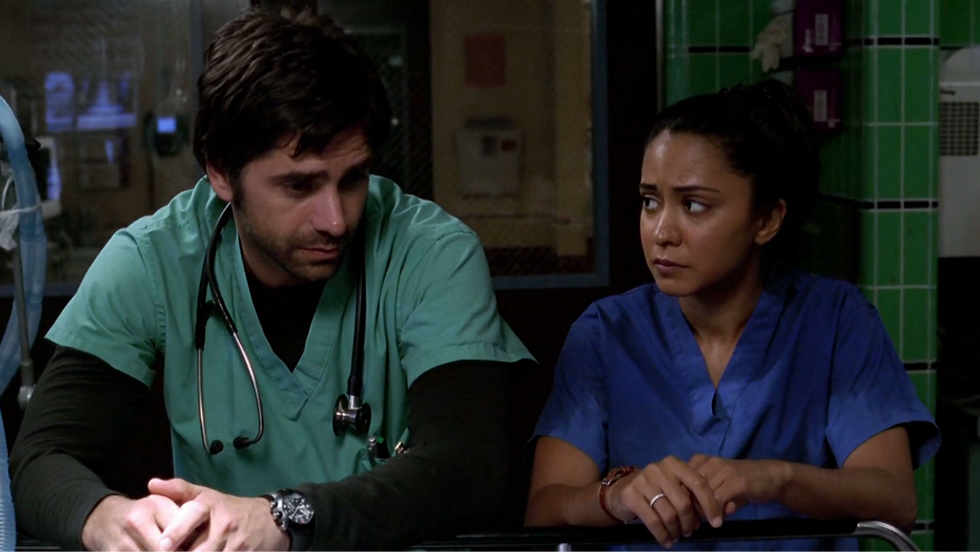
Season 13 of ER opens with a chaotic, multi-patient trauma event involving its own staff and concludes with a masterclass in diagnostic medicine. The season is defined by the high-stakes management of obstetric emergencies, rare pediatric conditions, and the intricate consequences of chronic illness. From the terrifying placental abruption of a pregnant doctor to the "zebra" diagnosis of periodic paralysis, the medical narratives emphasize the importance of rapid intervention, thorough history-taking, and the constant battle against time in the emergency department.
Below is a comprehensive, episode-by-episode review of the medical cases, diagnoses, and treatments presented in Season 13.
Content ⁉️
Episode 1
Placental Abruption and DIC
Abby Lockhart. A 30-week pregnant physician fell during a hospital crisis. Diagnosis: Trauma triggered preterm labor and Placental Abruption, causing fetal bradycardia. Complication: During the C-section, she developed Disseminated Intravascular Coagulation (DIC), a consumptive coagulopathy leading to uncontrollable hemorrhage. Treatment: Massive transfusion and emergency hysterectomy to save her life.
Penetrating Cardiac Injury (Iatrogenic MI)
Jerry Markovic. A shooting victim with hypotension. Diagnosis: Bullet graze to the Right Ventricle. Complication: During repair, a suture occluded a coronary artery, causing an Iatrogenic Myocardial Infarction. Treatment: Coronary graft and stabilization.
Vecuronium Paralysis
Luka Kovač. Stabbed with a paralytic agent. Diagnosis: Drug-Induced Paralysis. Treatment: Intubation and ventilation until the drug metabolized.
Other Medical Diagnoses and Conditions Discussed
Diabetes Mellitus: Insulin management.
Vasovagal Syncope: Pain-induced fainting.
Placenta Previa: Low-lying placenta.
Ventricular Tachycardia: Arrhythmia requiring resuscitation.
Electrolyte Imbalance: Transfusion-induced hyperkalemia/hypocalcemia.
Intraventricular Hemorrhage: Prematurity risk.
Episode 2
Spontaneous Intestinal Perforation (SIP)
Baby Joe. A premature infant with hypotension. Diagnosis: Spontaneous Intestinal Perforation, evidenced by free air and distension. Treatment: Emergency laparotomy and resection.
Periodic Paralysis
Unnamed Male. A 19-year-old found unresponsive. Diagnosis: Periodic Paralysis (Hypokalemic), identified by ST depression and U waves. Treatment: Metoprolol (Beta-blockers), contrasting standard potassium replacement protocols.
Other Medical Diagnoses and Conditions Discussed
Bronchopulmonary Dysplasia: Chronic lung disease of prematurity.
Tricuspid Regurgitation: Valve dysfunction.
Respiratory Distress Syndrome (RDS): Surfactant deficiency.
Kerosene Ingestion: Toxic exposure.
Near-Drowning: Submersion injury.
Episode 3
Digoxin Toxicity and Cardiac Arrest
James Anderson. A CHF patient with renal failure. Diagnosis: Digoxin Toxicity. Complication: Fatal cardiac arrest triggered by the administration of calcium, which is contraindicated in digoxin toxicity. Treatment: Digibind (too late).
Ruptured Spleen (Kehr's Sign)
Hector Rodriguez. A trauma patient with shoulder pain. Diagnosis: Splenic Rupture identified by Kehr's sign (referred shoulder pain). Treatment: Splenectomy.
Other Medical Diagnoses and Conditions Discussed
Embolic Stroke: Neurological deficit.
Cholecystitis: Gallbladder infection.
Scaphoid Fracture: Wrist injury.
Polymyositis: Inflammatory muscle disease.
Episode 4
Urosepsis and Septic Shock
76-Year-Old Female. Initially dismissed as simple pyelonephritis. Diagnosis: Urosepsis leading to septic shock. Treatment: Early Goal-Directed Therapy (Central line, Dopamine).
Open-Book Pelvic Fracture
Thomas. A pediatric crush victim. Diagnosis: Open-Book Pelvic Fracture with hepatic laceration. Treatment: T-POD stabilization and angio-embolization.
Airway Obstruction (Tracheotomy)
Luis Escobar. Explosion victim with neck shrapnel. Diagnosis: Airway loss due to swelling. Treatment: Emergency Tracheotomy by Dr. Rasgotra.
Other Medical Diagnoses and Conditions Discussed
Incomplete Miscarriage: Retained tissue.
PSVT: Treated with Adenosine.
Chainsaw Lacerations: Complex trauma.
Burn Eschar: Restricting ventilation.
Episode 5
Embolic Stroke (Patent Foramen Ovale)
Curtis Ames. A pneumonia patient developed a stroke. Diagnosis: Embolic Stroke caused by a clot passing through a Patent Foramen Ovale (PFO), missed during initial care. Outcome: Permanent disability.
Tricuspid Regurgitation
Mr. Dolan. A patient with a pulsatile abdominal mass. Diagnosis: Tricuspid Regurgitation causing liver pulsation (mimicking AAA). Outcome: Spared unnecessary surgery.
Upper GI Bleed (Crohn's)
Mariko Shimane. A Crohn's patient with exsanguination. Diagnosis: Upper GI Hemorrhage from vascular erosion. Treatment: Intra-aortic balloon occlusion.
Other Medical Diagnoses and Conditions Discussed
Massive Pulmonary Embolus: Fatal clot.
Diverticular Abscess: Colon infection.
Traumatic Tongue Amputation: Surgical emergency.
Poly-Substance Intoxication: Drug cocktail.
Episode 6
Broken Heart Syndrome (Stress Cardiomyopathy)
Mrs. Palsey. Collapsed after hearing of her husband's death. Diagnosis: Takotsubo Cardiomyopathy (Broken Heart Syndrome). Treatment: Resuscitation from V-tach/Asystole.
Metastatic Pancreatic Cancer
Lou Smith. A trauma patient found to have brain metastases. Diagnosis: Metastatic Pancreatic Cancer. Treatment: Palliative discharge for travel.
Vena Cava Tear
Garrett Palsey. Trauma victim with massive hemorrhage. Diagnosis: Traumatic Vena Cava Tear. Outcome: Fatal intra-operative bleeding.
Other Medical Diagnoses and Conditions Discussed
Meningitis: CNS infection.
Antifreeze Ingestion: Toxic alcohol.
Rectal Prolapse: Surgical condition.
Asperger’s Syndrome: Developmental disorder.
Episode 7
Pericardial Effusion and DID
Willis Payton. A patient with Dissociative Identity Disorder (DID) presented with trauma. Diagnosis: Traumatic Pericardial Effusion causing tamponade. Treatment: Ultrasound-guided pericardiocentesis.
Other Medical Diagnoses and Conditions Discussed
Small Bowel Obstruction: Surgical emergency.
Third-Degree Burns: Hot oil injury.
Hypercholesterolemia: Lipid disorder.
Abdominal Aortic Aneurysm: Rupture risk.
Episode 8
Rabies
Paulie. A homeless child with altered status. Diagnosis: Rabies, confirmed by skin biopsy. Treatment: Experimental Milwaukee Protocol (induced coma with antivirals). Outcome: Rare survival.
Upper Airway Obstruction
Lucy Mothley. A choking student. Treatment: Field Cricothyrotomy using a knife and straw.
Hypoglycemia (Liver Disease)
Charles Hadley. Unconscious trauma patient. Diagnosis: Severe Hypoglycemia due to glycogen depletion from alcoholic liver disease. Treatment: D50 and Thiamine.
Other Medical Diagnoses and Conditions Discussed
Deep Vein Thrombosis: Venous clot.
Ascites: Fluid overload.
Opioid Overdose: Narcan reversal.
Viral Encephalitis: Brain inflammation.
Episode 9
Anterior MI (Tombstoning)
Elizabeth Timmons. An elderly patient collapsed. Diagnosis: Anterior STEMI ("Tombstoning"). Outcome: Fatal V-fib during transport.
Cecal Phlegmon
Lulu Davis. A child with abdominal pain. Diagnosis: Cecal Phlegmon (appendicitis complication). Treatment: Antibiotics and surgery.
Traumatic Hemorrhage
Melanie. A bus crash victim trapped in wreckage. Treatment: Field stabilization and massive transfusion protocol.
Other Medical Diagnoses and Conditions Discussed
Volvulus: Intestinal twisting.
Incarcerated Hernia: Surgical emergency.
Road Rash: Severe abrasion.
Nitrous Oxide Inhalation: Inhalant abuse.
Episode 10
Nonsuicidal Self-Injury
Danielle Davis. A teen with vaginal trauma. Diagnosis: Self-Inflicted Injury (cutting) triggered by PTSD from witnessing a rape. Treatment: Psychiatric transfer.
Penetrating Cranial Trauma (Ice Pick)
Unnamed Patient. A psychotic patient hammered an ice pick into his ear. Diagnosis: Foreign Body missing vital structures. Treatment: Surgical removal.
Opioid-Induced Ileus
Unnamed Male. Abdominal pain and constipation. Diagnosis: Ileus caused by chronic Vicodin use. Treatment: Conservative management.
Other Medical Diagnoses and Conditions Discussed
Bedbug Infestation: Cimicidosis.
Sleep-Related Eating Disorder: Parasomnia.
ACL Tear: Knee injury.
Cystic Fibrosis: Genetic lung disease.
Episode 11
Supra-Celiac Aortic Tear
Rufus Taylor. Trauma victim with retroperitoneal bleeding. Diagnosis: Supra-Celiac Aortic Tear. Treatment: Surgical repair with Satinsky clamp.
Shoulder Dystocia
Lizzie. A teen in field labor. Diagnosis: Shoulder Dystocia. Treatment: Suprapubic pressure and delivery maneuvers.
Other Medical Diagnoses and Conditions Discussed
Frostbite: Cold injury.
Methamphetamine Use: Substance disorder.
Dissociative Identity Disorder: Psychiatric condition.
Episode 12
Abdominal Compartment Syndrome
Nelson Wilcox. Pancreatitis patient with cardiac arrest. Diagnosis: Abdominal Compartment Syndrome compressing the vena cava. Treatment: Emergency decompressive laparotomy.
Osteomyelitis and Anaphylaxis
Yvonne Davillere. Diabetic with foot infection. Diagnosis: Osteomyelitis. Complication: Penicillin anaphylaxis during surgery. Treatment: BKA (Below-Knee Amputation).
Upper GI Bleed
Edgar Dixon. A patient vomiting blood. Diagnosis: GI Hemorrhage from NSAIDs. Complication: Pulmonary edema from aggressive resuscitation. Outcome: Fatal.
Other Medical Diagnoses and Conditions Discussed
Infected G-Tube: Device complication.
Shingles: Viral rash.
Arsenic Overdose: Heavy metal toxicity.
Retinal Detachment: Eye emergency.
Episode 13
Perforated Colonic Viscus
Dennis. Snowmobile accident victim. Diagnosis: Perforated Colon with free air, initially occult. Treatment: Surgery.
Tension Pneumothorax
Clarke Sutton. Pediatric trauma. Diagnosis: Persistent Pneumothorax. Treatment: Multiple chest tubes.
Pulmonary Fibrosis
Eddie Wyczenski. Chronic lung disease patient. Diagnosis: Pulmonary Fibrosis.
Other Medical Diagnoses and Conditions Discussed
Mandible Fracture: Face trauma.
Hemothorax: Chest bleeding.
Cardiac Contusion: Heart bruise.
Episode 14
Missed PFO (Retrospective)
Curtis Ames. Review of the stroke case. Error: Failure to diagnose Patent Foramen Ovale led to embolic stroke.
Tricyclic/Benzo Overdose
Meg. A driver found dizzy. Diagnosis: Combined Overdose (Amitriptyline/Alprazolam). Outcome: Fatal cardiac arrest.
Other Medical Diagnoses and Conditions Discussed
Smoke Inhalation: Toxic exposure.
Airway Edema: Requiring cricothyrotomy.
Metacarpal Crush: Hand injury.
Episode 15
Acute Leukemia
Simon. A comedian with vomiting. Diagnosis: Acute Leukemia (WBC 32k, blasts). Treatment: Oncology admission.
Paired Kidney Exchange
Marina Grasso. ESRD patient. Treatment: Paired Kidney Exchange ("Kidney chain") transplant.
Other Medical Diagnoses and Conditions Discussed
Rib Fracture: Trauma from fall.
Infected Shunt: Dialysis complication.
Neutropenia: Low white count.
Episode 16
Toxic Liver Failure (Carbon Tetrachloride)
Anna Hayes. A suicide attempt disguised as illness. Diagnosis: Fulminant Liver Failure from Carbon Tetrachloride. Outcome: Fatal.
Splenic Rupture (Hazing)
Tasha. A cheerleader with abdominal pain. Diagnosis: Splenic Rupture from physical abuse (hazing). Treatment: Splenectomy.
Temporal Lobe Epilepsy
Mr. Brewer. A patient with "psychic" smells (bacon). Diagnosis: Temporal Lobe Epilepsy (Simple partial seizures). Treatment: Ativan.
Other Medical Diagnoses and Conditions Discussed
Gout: Inflammatory arthritis.
Compartment Syndrome: Limb threat.
Volvulus: Bowel twisting.
Episode 17
Hypothermic V-Fib Arrest
Julius Paxon. A blizzard victim. Diagnosis: Severe Accidental Hypothermia (84°F) causing V-Fib. Treatment: Emergency thoracotomy for internal cardiac warming.
Cardiac Tamponade
Mario Dunston. GSW victim. Diagnosis: Cardiac Tamponade confirmed by ultrasound. Treatment: Pericardial window.
Brain Stem Failure
Donnie Moore. GSW to the head. Diagnosis: Brain Stem Herniation from hematoma. Outcome: Fatal.
Other Medical Diagnoses and Conditions Discussed
Biliary Obstruction: Cystic fibrosis complication.
Jellyfish Sting: Marine envenomation.
Cystic Fibrosis: Chronic lung disease.
Episode 18
Ventricular Laceration
Mary Marchak. MVA victim. Diagnosis: Ventricular Laceration from rib fracture. Treatment: Bedside thoracotomy. Outcome: Fatal.
Pelvic Fracture (SI Joint Disruption)
Corey Hales. Pediatric trauma. Diagnosis: Open-Book Pelvic Fracture. Treatment: T-POD and intraosseous access.
Trade Center Cough
Tony Gates. 9/11 responder. Diagnosis: Chronic Sinusitis, ruling out "Trade Center Cough" syndrome.
Other Medical Diagnoses and Conditions Discussed
G-Tube Obstruction: Device failure.
Esophageal Cancer: Terminal illness.
Bee Sting: Tongue swelling.
Episode 19
Hypertensive Cardiomyopathy
Danny Rutley. Patient with untreated hypertension. Diagnosis: Cardiomyopathy and CHF. Outcome: Fatal arrhythmia during catheterization.
Status Asthmaticus
Tomas. Pediatric respiratory collapse. Diagnosis: Severe Status Asthmaticus. Treatment: Fiber-optic intubation.
Alzheimer's ("Sundowning")
Wayne Rutley. Elderly patient with confusion. Diagnosis: Alzheimer's Disease with sundowning syndrome.
Other Medical Diagnoses and Conditions Discussed
Crohn’s Fistula: Bowel complication.
HPV: Cervical cancer risk.
Negative Mach Band: Optical illusion on X-ray.
Episode 20
Metastatic Ovarian Cancer
Diana Moore. A hospice patient. Diagnosis: End-Stage Ovarian Cancer with ascites. Treatment: Paracentesis and discharge home.
Acute Chest Syndrome
Demitri. A sickle cell patient with hypoxia. Diagnosis: Acute Chest Syndrome. Treatment: Exchange transfusion and ICU care.
Other Medical Diagnoses and Conditions Discussed
Staple Gun Injury: Trauma.
Nightstick Fracture: Defensive injury.
Pulmonary Hemorrhage: Bleeding lung.
Episode 21
Structural Failure
ER Closure. The ER is closed for structural repairs. Event: Staff wedding (Luka and Abby).
Other Medical Diagnoses and Conditions Discussed
Crack Cocaine: Substance abuse history.
Alcoholism: Addiction recovery.
Episode 22
Arterial Venous Malformation (AVM)
Sophia Van Brummellen. A fall victim with personality changes. Diagnosis: Frontal Lobe AVM. Treatment: Embolization with cyanoacrylate glue.
Perforated Diverticulum
Alison MacKenzie. Septic patient. Diagnosis: Perforated Diverticulum. Treatment: Surgery complicated by DIC and cardiac arrest.
Other Medical Diagnoses and Conditions Discussed
Pyloric Stenosis: "Caterpillar sign."
Gastroschisis: Congenital defect.
Bezoar: Stomach mass.
Episode 23
Adrenal Insufficiency
Esther Calder. A patient with refractory hypotension. Diagnosis: Adrenal Insufficiency secondary to recent steroid withdrawal (prednisone). Treatment: IV Hydrocortisone (Curative).
Other Medical Diagnoses and Conditions Discussed
Gastroparesis: Diabetic complication.
Yellow Fever: Historical disease.
Toxic Bradycardia: Drug-induced.
🔖 Key Takeaways
🗝️ The Power of History: The season finale emphasizes that history-taking is often superior to imaging, as seen in the diagnosis of Adrenal Insufficiency that saved a patient from unnecessary invasive procedures.
🗝️ Obstetric Crises: High-risk obstetrics were central, featuring placental abruption with DIC, field deliveries with shoulder dystocia, and hepatitis E in pregnancy.
🗝️ Trauma Innovation: The ER utilized advanced trauma techniques, including T-PODs for pelvic fractures, rapid infusers, and emergency thoracotomies for cardiac injuries.
🗝️ Diagnostic Zebras: The show highlighted rare conditions like Periodic Paralysis, Wilson's Disease (in previous seasons, but thematically linked), and Rabies, reinforcing the need to think beyond common presentations.
🗝️ Chronic Disease sequelae: The long-term ravages of untreated conditions like hypertension, diabetes, and alcoholism were depicted with brutal realism, leading to terminal outcomes like cardiomyopathy and liver failure.
Keywords: Medical Diagnoses ER Season 13
Medical Diagnoses ER Season 13


Comments