

Netflix Is Now Streaming This Is Going to Hurt: The Top-Tier Medical Drama Rivaling The Pitt
- Dec 5, 2025
- 6 min read
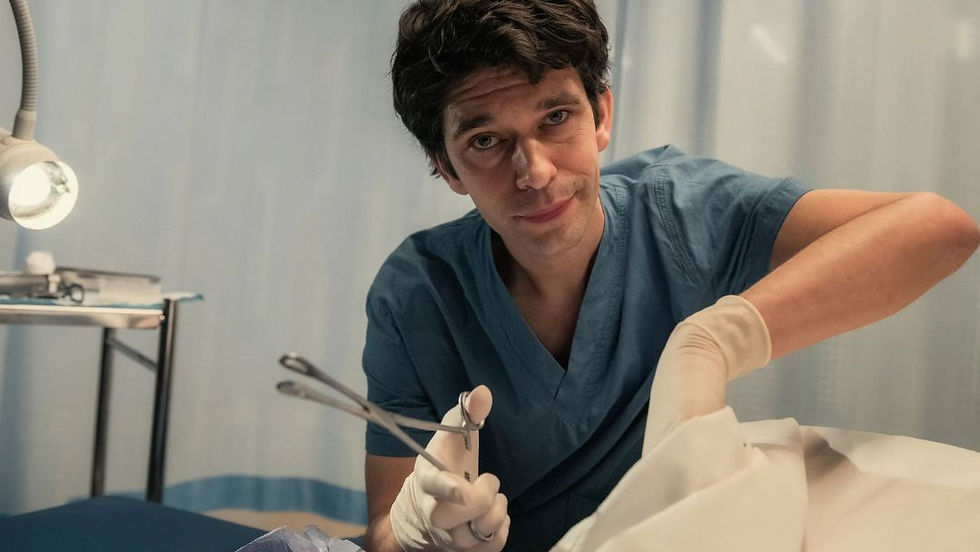
In November 2025, the award-winning AMC/BBC medical drama series This Is Going to Hurt arrived on Netflix US, offering subscribers a potent and unflinching look inside the brutal reality of the UK’s National Health Service (NHS). Based on the real diaries of former doctor Adam Kay, the seven-episode series centers on junior doctor Adam Kay (Ben Whishaw) as he navigates the chaos and extreme pressure of the obstetrics and gynecology ward in a London public hospital. While many medical dramas prioritize professional romance, This Is Going to Hurt focuses instead on the raw human stakes involved in medicine and what happens when the healthcare system effectively "abandons the people it needs the most".
The series has quickly established itself as top-tier viewing, capable of standing comfortably alongside other critically acclaimed shows like The Pitt. Both series excel at capturing the immense emotional and physical strain of hospital work, showing how medicine inevitably becomes inseparable from the lives of the people who practice it. The arrival of This Is Going to Hurt on Netflix gives US audiences a chance to see why critics regard it as a gut-wrenching, one-of-a-kind drama.
The New Gold Standard in Medical Drama
This Is Going to Hurt is set within the intensely challenging environment of a public hospital in Britain, where healthcare is free for patients but the medical professionals are "painfully overworked and brutally underfunded". The series elevates the genre by avoiding the cliché of attractive doctors engaging in unprofessional conduct and instead details the sheer grind of the NHS frontline.
Where the series truly shines is in its nuanced portrayal of the struggle to maintain competence and empathy in a systematically strained environment. The show masterfully marries the compelling news story of the dismal state of UK public hospitals with the intensely personal life of Dr. Kay. The 45-minute episodes are so captivating, thanks in large part to the performances by Whishaw and Ambika Mod, that they feel like only 15 minutes.
Achieving Power Through a Narrow Frame
While both This Is Going to Hurt and The Pitt capture the emotional and physical strain of hospital work, they differ stylistically. The Pitt relies on its "scale and scope" to dramatize the high stakes. In contrast, This Is Going to Hurt achieves the same power by "narrowing the frame," allowing the grinding intensity of each shift and the fragility of every decision to drive the storytelling. This approach creates such intense authenticity that viewers feel as though they have lived with the lead characters for an entire year.
The show’s critical success also stems from its ability to use dark humor to enliven the harsh reality of the work. This biting humor, primarily delivered through Ben Whishaw's "rapid-fire breaches of the fourth wall" (asides directed to the viewer), prevents the drama from becoming altogether bleak. This contrast between life-and-death stakes and biting humor is so well-handled that the series has been deemed the "modern day spiritual successor to MASH*". The backdrop of the British NHS obstetrics ward provides the necessary dramatic tension, acting like the setting of the Korean War, as the system is functionally set up against the government’s inadequate funding.

Underfunding, Exhaustion, and the NHS Frontline
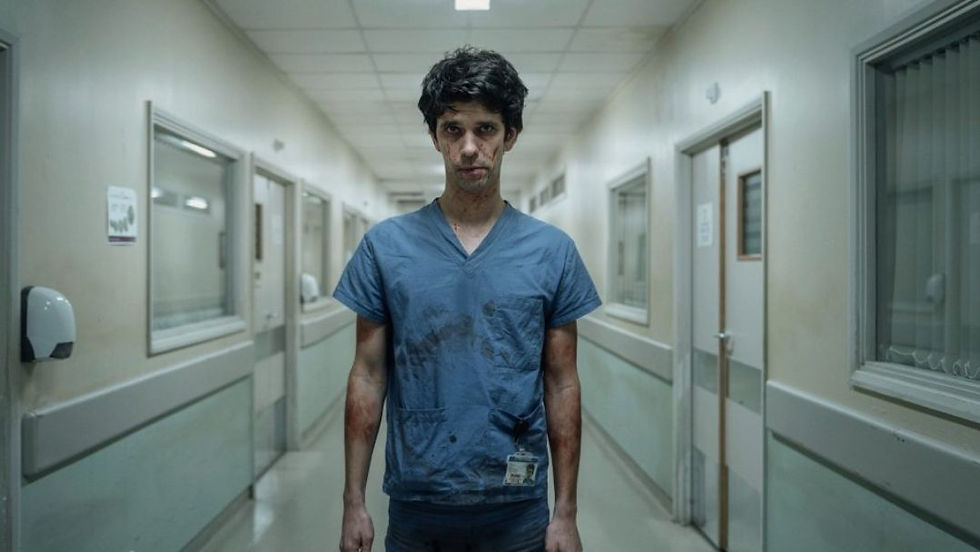
The core narrative of This Is Going to Hurt is the depiction of the brutal demands placed on medical staff. Dr. Adam Kay is perpetually exhausted "beyond the pale," often existing in a zombie-like state as he waits for his time as a junior doctor to end so he can progress to a better-paid consultant position. Kay struggles with astonishing ninety-seven-hour workweeks and receives pay that barely covers his hospital parking meter. The financial hardship is so severe that the premiere opens with Kay waking up in his "beater of a car," having fallen asleep at the end of his shift.
The chronic underfunding of the NHS is illustrated through small, painful details. At one point, Kay has run out of credits for the scrubs vending machine and is forced to pull a dirty pair of someone else’s scrubs out of a hamper. This environment ensures that staff like Kay are constantly blood-spattered, grumpy, and short with their residents, resembling someone who has just "crawled out of his own grave". In his overwhelmed state, Kay views his patients as numbers, even keeping a literal tally of the babies he has delivered in his locker. The series is a genuine, unflinching look at these underdog doctors and nurses who are given so little but asked to give so much.
The Personal Toll of a System Abandoning Its Heroes
The immense pressure of Kay’s profession takes a devastating toll on his personal life and mental health. While he is living with his long-term boyfriend, Harry (Rory Fleck Byrne), Kay barely sees him, and when he does, he is often too exhausted to make the most of their time together. Furthermore, Kay refuses to share the struggles of his work with Harry.
Kay’s underling, resident Dr. Shruti Acharya (Ambika Mod), faces equivalent struggles. She puts in the same "insane hours" as Kay while also attempting to study for critical exams. Shruti is depicted as a "mirror image" of Kay—driven and effective, yet both are their "own worst enemies". Ultimately, the relentless environment of trauma, blood, and screaming proves to be "just too much to bear" for any doctor who possesses "a speck of empathy".

Trauma, Tragedy, and the Relief of Dark Humor
The series highlights the devastating consequences of systemic exhaustion through a central tragedy that triggers Kay’s trauma. Kay sends a woman who appears to be a hypochondriac home without performing routine tests, only for her to return hours later in labor at 25 weeks due to preeclampsia. Although his boss manages to save the mother's life, the premature baby continues to haunt Kay. He frequently visits the premie in the neonatal ICU, using the infant as a silent sounding board throughout the season.
This high-stakes incident is compounded when a co-worker anonymously files a complaint against Kay, even after the initial patient complaint was dismissed. This trauma, coupled with the constant pressure of managing hundreds of lives and deaths, exacerbates Kay's Post-Traumatic Stress Disorder (PTSD). The drama is so piercing that the show carries a fair warning that it could trigger anyone suffering from PTSD. Despite the heartbreak and piercing drama, the humor—delivered by Whishaw, a "powerhouse performer"—offers necessary relief, ensuring the show is a remarkable viewing experience.
Limited Run, Lasting Impact: Why You Must Stream Now
The immense human stakes in medicine are central to the limited series This Is Going to Hurt. The show’s creator made it clear that the series was always intended to be a "one-and-done," seven-episode event, written with a "beginning and a middle and an end" and a "hard ending," avoiding the pitfalls of dragging the story out.
Fans of medical dramas should prioritize watching this critically acclaimed series soon, as its availability on Netflix is not permanent. Like most AMC shows licensed to Netflix, This Is Going to Hurt is expected to be available for only a single year, with an anticipated departure date sometime in November 2026. This limited-time viewing window provides an opportunity to witness Ben Whishaw's BAFTA/Academy Award-worthy performance and experience this genuine, gut-wrenching drama that has proven to be an excellent challenger to other top dramas.
🔖 Key Takeaways
🗝️ Top-Tier Medical Drama: This Is Going to Hurt is an award-winning limited series that is critically compared to and stands comfortably alongside shows like The Pitt, providing top-tier viewing for medical drama fans.
🗝️ NHS Crisis and Underfunding: The show offers an unflinching, raw look at the UK’s NHS, detailing how junior doctors face brutal demands, ninety-seven-hour workweeks, low pay, and physical and emotional exhaustion in a brutally underfunded system.
🗝️ Unique Tone and Performance: The series expertly blends piercing tragedy and PTSD trauma with biting, dark humor delivered by Ben Whishaw's "rapid-fire breaches of the fourth wall," leading critics to call it the modern spiritual successor to MASH*.
🗝️ Limited Netflix Availability: The series began streaming on Netflix US in November 2025. However, it is licensed for only a single year and is expected to depart the platform around November 2026, meaning viewers should watch it soon.
🗝️ One-Season Focus: The story was intentionally written as a "one-and-done" limited series with a "hard ending" and will not return for a second season.
🌐 External sources


Keywords: This Is Going to Hurt
This Is Going to Hurt


Comments