

The Best Medical Documentaries and Dramas Exploring the Health Care System
- Dec 19, 2025
- 5 min read

The world of medicine has always been a subject of intense fascination for audiences, often serving as the perfect backdrop for high-stakes storytelling. While many viewers are familiar with the dramatized corridors of fictional hospitals, there is a burgeoning interest in content that offers a "change of pace from scripted entertainment". Today, medical documentaries and streaming doctor series are providing a more nuanced and often more startling look at the health care system than ever before. These real-life medical stories go beyond the "miracle of the week" trope to explore the gritty realities of clinician burnout, systemic inequality, the ethical minefields of experimental surgery, and the deeply personal journeys of those who wear the white coat. By shifting our focus from pure fiction to these documented truths, we gain a clearer understanding of the physicians forging their paths through a landscape that is both a "Medical Mecca" of hope and a "hurt locker" of administrative and ethical challenges.
The following exploration dives deep into the best selections currently available, blending insights from clinical profiles, critical databases, and streaming guides to highlight the films and series that every health care enthusiast should watch. Whether you are interested in the resilience required to survive medical school or the systemic reforms needed to protect patients from malpractice, these sources offer a comprehensive window into the soul of modern medicine.
Content ⁉️

Real-Life Medical Stories: Documentaries on Resilience and Personal Journeys
At the heart of the health care system are the individuals who sustain it, and several recent medical documentaries focus on the personal and often harrowing journeys of medical professionals. These stories humanize the "infallible" doctor, showing that they, too, are susceptible to the same illnesses and mental health crises they treat in others. For instance, the film Doctor/Patient (2024) follows functional medicine expert Dr. Jill Carnahan, who was diagnosed with aggressive breast cancer during her third year of medical school. Her narrative of living with cancer and Crohn’s disease while treating patients with complex chronic illnesses provides a profound look at what it truly means to heal.
Another significant entry is the Sundance short film Winding Path (2024), which shares the journey of Jenna Murray, an Eastern Shoshone MD-PhD student. After losing her grandfather to a preventable issue and experiencing a mental health crisis that led her to temporarily leave medical school, Murray reflects on her renewed desire to serve her community. This film is particularly important as it explores health disparities specifically within Indigenous communities, a topic often overlooked in mainstream streaming doctor series.
The Human Side of the White Coat
The vulnerability of doctors is further explored in Physician, Heal Thyself, a profile of addiction and trauma expert Dr. Gabor Maté, which highlights the heavy emotional toll of the profession. Even in more traditional settings, like those shown in the acclaimed series Lenox Hill, the narrative remains intensely personal. By following two brain surgeons, an emergency room physician, and a Chief Resident OBGYN, the series provides an "intimate look" at how these professionals balance the "highs and lows" of a renowned New York City hospital with their own home lives. These narratives suggest that the strength of the health care system is built upon the fragile but resilient shoulders of individuals who must constantly navigate their own humanity while saving the lives of others.
Unveiling Systemic Flaws: Malpractice, Fraud, and Institutional Ethics
While stories of resilience inspire, many medical documentaries serve as vital critiques of the health care system, exposing the cracks where patients—and sometimes providers—fall through. These films often cross into the realm of true crime, highlighting how a lack of oversight can lead to devastating consequences.
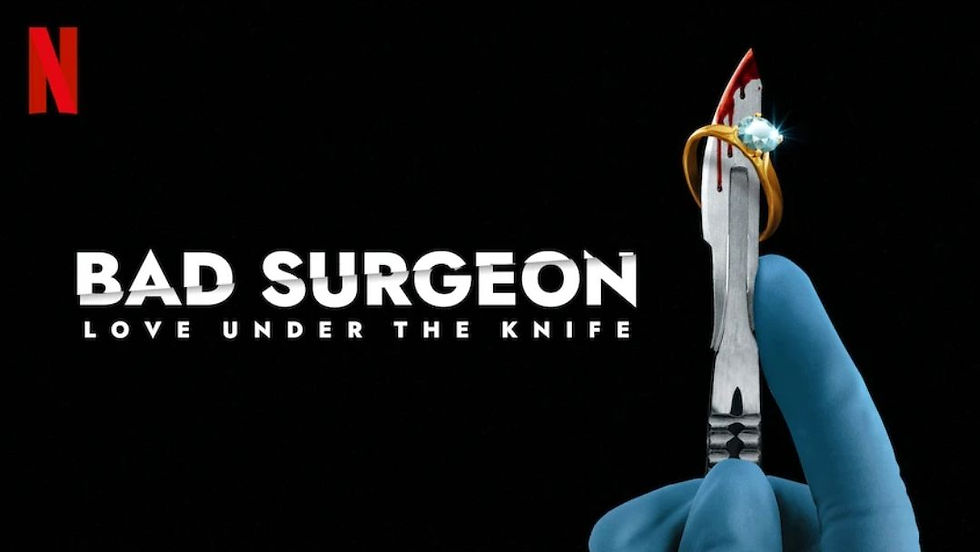
A World of Hurt: How Medical Malpractice Fails Everyone (2023) is a prime example, using the emotional accounts of physicians and patients to discuss the causes of malpractice and the urgent need for systemic reform. Similarly, the shocking Netflix series Bad Surgeon: Love Under the Knife investigates the "rise and fall" of thoracic surgeon Paolo Macchiarini. This documentary reveals how fraudulent research led to experimental surgeries that killed seven patients, marking one of the "most significant scandals in medical history".
The theme of ethical violation is also central to Our Father, which exposes a fertility doctor's "shocking scheme" involving the unauthorized use of his own donor sperm. These real-life medical stories are essential for understanding the darker side of medical authority and the critical importance of bioethics and institutional accountability.

Frontline Realities: Emergency Medicine and the Nursing Shortage
The most visceral depictions of the health care system often occur on the front lines, where life-and-death decisions are made in seconds. Streaming doctor series like Emergency: NYC and Desert Doc offer viewers an "intense and authentic" look at this environment without the use of reenactments.
• Emergency Care: Desert Doc follows military veteran Dr. Sudip Bose through five years in a Level I trauma center in West Texas. In a similar vein, the 2013 documentary Code Black describes a notorious trauma bay as the "hurt locker of medicine," showing how idealistic doctors face "bureaucracy gridlock" when moving from an old facility to a state-of-the-art one.
• The Nursing Crisis: The system's strain is perhaps most evident in the nursing profession. Navigating the Nursing Shortage (2023) highlights how burnout is driving nurses in Pennsylvania to leave the field because they are "asked to care for more patients than they can safely manage".
High-Stakes Environments and Institutional Culture
To understand how high-volume institutions manage these pressures, The Mayo Clinic: Faith, Hope and Science provides a historical perspective. It details the clinic's "team-based approach" and its core philosophy that "the needs of the patient come first," contrasting with the often "fragmented" delivery of care found elsewhere in the modern health care system. Meanwhile, Everybody’s Work: Healing What Hurts Us All addresses the systemic racism that nurses of color face, advocating for a more equitable environment to improve patient care for all.

The Intersection of Drama and Reality: Popular Streaming Doctor Series
While documentaries provide raw truth, fictional and semi-fictional streaming doctor series continue to dominate the cultural conversation. Series like Grey's Anatomy and The Resident (which was recently added to Netflix) explore the "emotional toll" of being a doctor through dramatized story arcs, some of which are inspired by real-world scenarios.
Internationally, the South Korean drama Hospital Playlist has gained a massive following for its "heartwarming" portrayal of five friends who are doctors in the same hospital, emphasizing themes of love and companionship rather than just medical trauma. Another Korean hit, The Trauma Code: Heroes on Call, has been praised by viewers for its portrayal of an "unconventional but exceptional surgeon" attempting to save a struggling university hospital. These shows, while fictional, often reflect the public's desire to see the health care system as a place where compassion and human connection still thrive despite the bureaucratic and physical demands of the job.
🔖 Key Takeaways
🗝️ Real-life medical stories humanize physicians by highlighting their personal battles with illness and mental health.
🗝️ The health care system faces significant ethical challenges, as seen in documentaries about medical fraud and malpractice scandals.
🗝️ Frontline medicine in the ER is characterized by high-pressure environments and "bureaucratic gridlock".
🗝️ Systemic issues such as the nursing shortage and racism in medicine are critical barriers to safe and equitable care.
🗝️ End-of-life care and the choice of medical aid in dying (MAID) are becoming central themes in medical media, advocating for patient autonomy.
🌐 External sources


Keywords: Best Medical Documentaries and Dramas
Best Medical Documentaries and Dramas


Comments