

The Decision Behind the Childrens Hospital Ending: Rob Corddry on the Legacy of the Adult Swim Comedy
- Dec 14, 2025
- 5 min read

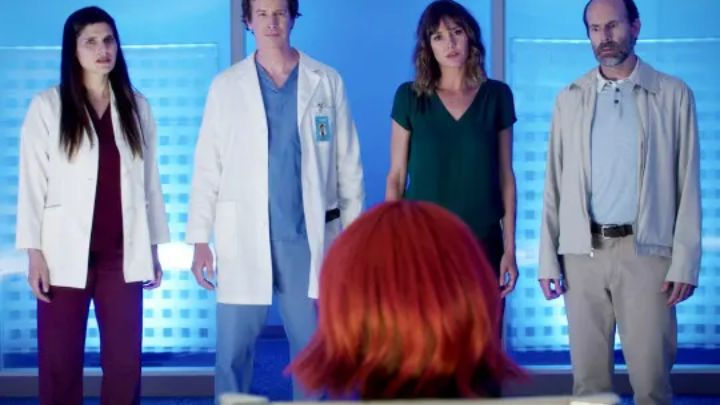
Childrens Hospital, the Adult Swim live-action comedy, secured a unique place in television history with its blend of medical drama parody and relentless, absurd humor. The series, which first appeared as short webisodes on TheWB.com in 2008, successfully transitioned to television on Adult Swim in 2010, becoming arguably the most successful program to make that jump. Praised for its rapid-fire pacing, the show’s 15-minute episodes were viewed as "perfect-sized, binge-able bites" tailored for young viewers in the "post-Internet age". Furthermore, the program’s consistent creative quality was recognized with two Primetime Emmy Awards.
Despite its sustained popularity and critical acclaim, the series concluded its run during its seventh season in the spring of 2016. The implementation of the Childrens Hospital ending was not a mandatory outcome dictated by network concerns or creative failure, but a conscious, personal choice made by creator, executive producer, and star, Rob Corddry. Corddry revealed that the decision had been "brewing for a number of seasons," noting that only his "love for doing it kept it going". The story of the show's conclusion highlights the importance of recognizing artistic achievement and prioritizing the freedom to innovate.

The Choice to Exit at the Creative Peak
For Rob Corddry, the decision to proceed with the Childrens Hospital ending was rooted in maintaining the integrity of the project, even if it meant sacrificing continued success. He expressed confusion over why fans questioned "ending a successful show at the height of its creative success," emphasizing that it was vital that the series "go out living up to what the show has been".
Crucially, the show did not suffer from a lack of ideas. Unlike many programs that continue until they reach a point where "they’re beating a dead horse" after exhausting their conceptual potential, Childrens Hospital had boundless narrative possibilities. Corddry explained that the show’s highly unconventional structure allowed it to operate like a "live-action animated show," meaning the creators felt they could literally "get away with anything in our world".
However, the continued commitment demanded by the show was taking a toll on Corddry’s personal creative energy. The show functioned as a "year-round job" for him, which led to a "lack of hunger to do something else—to pick up a pen and start a new idea". Therefore, the decision to end was personal: a desire to "recognize [his] own achievement and then want to see what’s next". This intentional conclusion allowed the team to craft a "wild ending" detailed in the two-part finale.
The Adult Swim Advantage: A Live-Action Animated World
The ability of Childrens Hospital to sustain its surreal, high-concept comedy was inextricably linked to the production environment fostered by Adult Swim. Corddry characterized his experience with the network as "dreamy," noting the extraordinary creative autonomy the team enjoyed.
Corddry considered Adult Swim executive Mike Lazzo "another one of our collaborators". When notes were occasionally provided, they were typically "very few" and aimed at "elevating the show, the episode or just a little moment," and were usually incorporated by the production team.
This creative freedom translated into audacious production choices. Corddry highlighted one surprising example: the ability to save $15,000 to fly to Brazil for four days just to shoot a 20-second scene that wasn't strictly necessary for the story. He called this feat a "personal victory," admitting that although most viewers would never know the scene wasn't shot on a green screen, the team did it simply because "it was a blast".

The Vast Comedy Repertory
A core element of the series’ success was its expansive, rotating ensemble cast, which included Corddry, Lake Bell, Erinn Hayes, Ken Marino, Megan Mullally, Henry Winkler, and others, often supplemented by guest stars like Jordan Peele and Jon Hamm. Corddry attributed this collaborative atmosphere to the philosophies derived from the Upright Citizens Brigade (UCB) and 1990s comedy groups like The State.
Corddry views the extended comedy community as a "vast comedy repertory company," positioning Childrens Hospital as a smaller iteration within that structure. This collaborative principle eschews a "kill or be killed" mentality, emphasizing instead the concept of: "make your scene partner look good and you would look good by default". This supportive environment meant the production was constantly "casting our friends" and successfully attracting high-profile talent who genuinely "like to help each other". The two-part finale managed to gather a "pretty respectable quorum" of the large cast, with Nurse Beth (Beth Dover) being the only member unable to participate.
Corddry’s New Landscape
The final season coincided with Corddry working on a fundamentally different project: HBO's Ballers with Dwayne "The Rock" Johnson. Corddry recognized that the two shows were "two different worlds" in terms of tone and audience. He noted that while he would love Ballers as a viewer, he would love it with a "much different part of myself than how I would love Childrens Hospital". Corddry confirmed there was no realistic chance of The Rock guest-starring in the final season, despite Johnson’s appreciation for Corddry’s movie Hot Tub Time Machine.
Looking Ahead
Now free from the continuous demands of Childrens Hospital, Corddry acknowledged the current "golden age of television" landscape. He maintained that Adult Swim would be the "first place" he would approach to pitch new ideas, particularly those that are not "the most mainstream". Corddry expressed a commitment to creating new projects to act in or produce, regardless of the network, as long as the platform fits the idea itself.

Legacy and Meaninglessness
The final episodes honored the show's chaotic history, culminating in a "wild ending". Corddry had previously learned a lesson not to impose complex "thrulines" or cliffhangers, realizing that attempting to resolve them was not truly "the spirit of the show," which typically resets.
Regarding the show’s lasting impact, Corddry admitted he doesn't "think in epitaphs". Personally, he sees the show as a "perfect representation" of his life journey during the eight years it ran. For the public, however, Corddry hopes the legacy is defined by its cheerful absurdity: "That thing was funny, and kind of dumb and meaningless. And funny because it was meaningless!". This sentiment perfectly encapsulates the spirit of the successful and self-aware Childrens Hospital ending.
🔖 Key Takeaways
🗝️ Intentional Conclusion: The decision for the Childrens Hospital ending was entirely personal, driven by Rob Corddry's need to conclude the successful Adult Swim comedy at the "height of its creative success" to avoid stagnation and pursue new endeavors.
🗝️ Unconventional Freedom: The series, which pioneered the 15-minute binge format, benefited from a "dreamy" creative environment at Adult Swim, functioning like a "live-action animated show" that allowed creators to "get away with anything".
🗝️ Collaborative Foundation: The cast and crew operated as a "vast comedy repertory company," guided by the UCB philosophy of lifting up one’s scene partners, which ensured a constant stream of high-quality, friendly collaborators.
🗝️ Legacy of Absurdity: Corddry hopes the show’s legacy will be defined by its joyous lack of pretense, remembered simply as something that was "funny, and kind of dumb and meaningless".
🌐 External sources


Keywords: Childrens Hospital Ending
Childrens Hospital Ending


Comments