

The Mysteries of Diagnosis on Netflix: Where Are Patients Like Lashay Hamblin Now and What is Rumination Syndrome?
- Dec 19, 2025
- 5 min read
Updated: Feb 20

Diagnosis is an interesting seven-part docu-series on Netflix that investigates rare and undiagnosed medical conditions across America. Rooted in the medical column of New York Times physician Dr. Lisa Sanders, the program follows individuals struggling with confounding symptoms. Dr. Sanders, whose work inspired the popular medical drama House, utilizes crowdsourcing—publishing patients' stories to a massive global audience—in a novel attempt to find a diagnosis.
The series offers far more than just medical puzzles; it provides a vital look at how real patient experiences collide with the complexities and structural issues of the modern American healthcare system. Each of the seven episodes showcases a different subject, concluding with necessary updates regarding whether treatment was pursued and if their condition ultimately improved. Among the most discussed cases is that of Lashay Hamblin, a high school student whose severe condition exemplifies the difficulties in accessing specialized care, even when a diagnosis is finally reached.

Crowdsourcing Medical Mysteries:
The Power of Collective Intelligence

The premise of Diagnosis leverages the "wisdom of the crowd," tapping into collective knowledge to identify patterns and potential solutions that often elude individual specialists. This crowdsourcing approach proved highly effective in generating theories for patients featured throughout the series.
For Lashay Hamblin, whose frustrating and barely manageable condition was the focus of Episode 5, Dr. Sanders published her story in the New York Times column to crowdsource a diagnosis. This generated a massive response, including over 2,600 written submissions that offered hundreds of potential diagnoses, ranging from psychological explanations to Addison’s disease. Ultimately, the three main diagnoses suggested by the crowd were Rumination Syndrome, POTS (Postural Orthostatic Tachycardia Syndrome), and parasitic infections.
Navigating the Healthcare Crisis
While the show demonstrates the power of global collaboration in solving medical mysteries, it consistently underscores the deep healthcare crisis in the US. The patient's struggle often continues well beyond the point of diagnosis, primarily concerning the exorbitant costs and insurance hurdles associated with specialized treatment. The episodes highlight several patients whose lives were irrevocably tied to these financial realities. Willie Reyes, a veteran who was diagnosed with Gulf War syndrome, was shown applying for service-related benefits following his diagnosis. Similarly, Kamiyah Morgan, a six-year-old with a rare pathogenic variant in the KCNMA1 gene, found hope only when a biotech company volunteered to help develop a drug treatment for her free of charge. These varying scenarios illustrate that financial means frequently dictate access to lifesaving medical solutions.

The Mysterious Case of Lashay Hamblin

Lashay Hamblin, a bubbly and outgoing high school student from South Jordan, Utah, played on her school’s soccer team until her life changed dramatically. Her problems began following a family trip to Costa Rica in 2014, when a raccoon grabbed onto her foot and "broke the skin" while hiking in the Manuel Antonio nature reserve.
Within two days of returning home, Lashay began experiencing severe symptoms, including vomiting, stomach pain, headaches, and neck pain. She received a rabies vaccine as a precaution, which sadly seemed to exacerbate her existing problems. For years, Lashay's major challenge was her chronic inability to properly consume food or liquids. To prevent severe malnourishment, she required the insertion of a chest port, a dangerous measure that allows IV drips direct access to her heart to sustain her life. Despite numerous specialist visits and extensive testing over several years, Lashay remained without a clear or consistent diagnosis. She described the frustration of this cycle in the episode: "It’s just hard because every doctor has their diagnoses and we’ve been told that I have been diagnosed with a lot".

Diagnosing Rumination Syndrome
and the Crisis of Trust
Based on the crowdsourced submissions and her own medical assessment, Dr. Lisa Sanders ultimately diagnosed Lashay with Rumination Syndrome. Importantly, tests for the other two prominent suggestions—POTS and parasitic infections—had all returned negative results.
What is Rumination Syndrome?
Rumination Syndrome is a condition defined by the repeated and unintentional regurgitation of food, which is either partially digested or undigested, back up from the stomach. This regurgitation often occurs every time the affected person eats. While the exact causes of the syndrome remain unknown, they are often linked to pressure on the abdomen and can be triggered by infections.
Despite Dr. Sanders’ diagnosis, Lashay’s mother, Jodelle Hamblin, was uncertain and unhappy to fully accept the Rumination Syndrome label. Jodelle's skepticism was deeply rooted in years of unsuccessful treatments and the damaging experiences of previous doctors suggesting that Lashay's problems were purely psychological. Jodelle acknowledged that she had justifiable “trust issues in doctors”. This apprehension about trusting medical professionals led to friction within the family dynamic, as it prevented Lashay from immediately trying new procedures, which in turn led to some online viewers criticizing Jodelle as "overbearing".

Post-Diagnosis:
Financial Barriers and Varied Outcomes
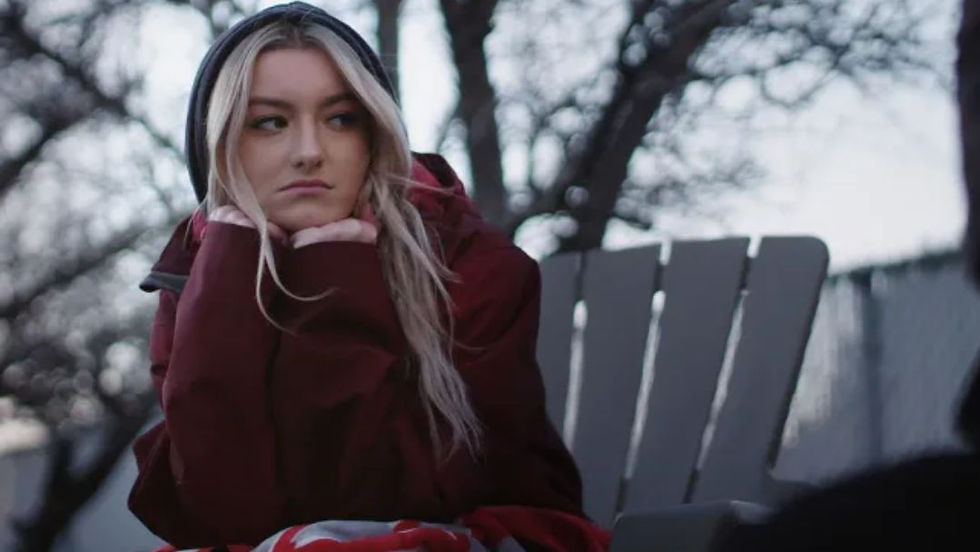
While the diagnosis of Rumination Syndrome pointed toward a specific treatment path—an intensive program at Nationwide Childrens’ Hospital in Columbus, Ohio—Lashay had not sought treatment by the time the series concluded. The critical barrier was financial. Lashay's sister, Madison, confirmed via Twitter that their insurance would not cover the specialized program, which was projected to cost "over 30,000". Although Lashay turned 18 and graduated high school, the economic burden of specialized care stopped her from accessing the recommended treatment. It is currently unconfirmed whether Lashay has since pursued treatment for Rumination or any other condition.
The series also provided positive updates, showcasing the life-changing results of diagnosis and treatment for others. Angel Parker, who suffered severe muscle pain, was diagnosed with CPT2; by changing her diet, Angel improved and achieved her long-term goal of becoming a nurse. Six-year-old Sadie Gonzalez, who faced debilitating seizures, received a device implanted in her skull to prevent the seizures before they could begin, allowing her to return to school. Matt Lee, whose symptoms were believed to be temporal lobe epilepsy exacerbated by childhood stress, saw dramatic health improvements after starting therapy and even secured employment. However, outcomes remained mixed, reflecting the complexity of recovery: Joe, who was paralyzed, remained in treatment months after stopping his potentially causative cancer drug, while Ann, who possibly had a functional neurological disorder, opted to continue searching for a cure on her own rather than follow up with the recommended doctor.

🔖 Key Takeaways
The Netflix docu-series Diagnosis highlights medical uncertainty and the powerful potential of crowdsourced medicine. Key insights from the series and patient updates include:
🗝️ Crowdsourcing Success: Dr. Lisa Sanders' crowdsourcing approach successfully identified diagnoses like CPT2 for Angel Parker and Rumination Syndrome for Lashay Hamblin.
🗝️ Financial Barriers: Despite the diagnosis, Lashay Hamblin had not sought the specialized $30,000+ Rumination Syndrome treatment due to lack of insurance coverage.
🗝️ Trust Crisis: Years of previous unsuccessful treatments and suggestions that her daughter's problems were psychological led to Jodelle Hamblin having "trust issues in doctors" and skepticism about the Rumination diagnosis.
🗝️ Diverse Outcomes: While some patients, such as Matt Lee and Angel Parker, improved dramatically and resumed normal life, others, like Joe and Ann, faced ongoing medical battles and varied pathways to recovery.
🌐 External sources


Keywords: Diagnosis on Netflix
Diagnosis on Netflix


Comments