

The Resident TV Series Medical Review: Scurvy-Induced Pulmonary Hypertension, Sickle Cell Disease (S4E12 Review)
- 4 days ago
- 9 min read
Medical dramas frequently derive their tension from the cutting edge of science, showcasing futuristic treatments and impossibly rare genetic conditions. However, Season 4, Episode 12 of The Resident achieves a brilliant narrative balance by colliding the absolute pinnacle of modern gene therapy with a disease most often associated with eighteenth-century pirates. In a haunting reflection of the real-world collateral damage caused by the global pandemic, the clinicians at Chastain Park Memorial Hospital are forced to look beyond the virus itself and confront the profound physiological toll of extreme psychological isolation. By juxtaposing a groundbreaking clinical trial for a lifelong blood disorder against a nutritional deficiency that belongs in a history book, this episode masterfully illustrates that in medicine, the simplest environmental factors can trigger the most complex physiological collapses. In this comprehensive review, we will dissect these gripping clinical presentations, unravel the intricate web of differential diagnoses, and explore the underlying pathologies that defined this unforgettable, high-stakes hour of television.

Initial Presentation and Emergency Room Visits
The threshold of the emergency department is a chaotic filter where medical professionals must instantly distinguish between blunt physical trauma and hidden, life-threatening systemic emergencies. In this episode, the Chastain staff is confronted with vastly different clinical realities that all teeter on the edge of catastrophe.
The most perplexing medical investigation centers on Pete Goldense, a deeply reclusive patient. His initial presentation to the ER is an alarming cascade of cardiovascular and hemorrhagic symptoms. Pete arrives suffering from repeated syncope (fainting spells), severe shortness of breath, and terrifyingly irregular heart rhythms. Furthermore, his physical examination reveals significant, unexplained bruising across his body. The situation escalates from a medical mystery to an absolute surgical emergency when a syncopal fall results in a Grade III Liver Laceration—a massive, life-threatening tear in the highly vascular liver tissue that causes profound internal bleeding and hemodynamic instability, requiring immediate operative intervention to save his life.
Simultaneously, the hospital is managing the highly anticipated admission of Rose Williams. Unlike Pete’s chaotic emergency arrival, Rose’s presentation is a planned, albeit incredibly high-risk, admission. She is a patient with severe Sickle Cell Disease who has been accepted into a groundbreaking clinical trial. Her initial clinical picture is one of extreme vulnerability, as her immune system has been intentionally suppressed to prepare her body to receive an infusion of 500 million genetically modified cells. Meanwhile, the oncology department continues to manage the presentation of Carol Austin, who is battling aggressive Stage IV Lung Cancer with Pleural Metastases, a devastating malignancy that has already spread to the lining of her lungs.

The History of Presenting Symptoms
Gathering a meticulous medical and personal history is the ultimate investigative tool in medicine. For these patients, their historical timelines hold the exact keys to unlocking their respective physiological crises.
For Pete Goldense, the history of his presenting symptoms was heavily overshadowed by the psychological trauma of the COVID-19 pandemic. Pete was suffering from severe agoraphobia and pandemic-related anxiety; his history revealed that he had not stepped outside of his home in over an entire year. He had completely isolated himself from the outside world to avoid a viral threat, inadvertently setting the stage for a completely different kind of physical collapse. His symptoms of fatigue, shortness of breath, and bruising did not happen overnight; they were the progressive result of an insidious, long-term environmental and dietary restriction born of pure fear.
Rose Williams’ history was a documented, lifelong saga of unrelenting agony. Her history of presenting symptoms involved decades of severe sickle cell pain crises, chronic fatigue, and organ damage caused by her malformed red blood cells. Her current admission was the culmination of this history—a desperate bid for a cure through experimental gene therapy. However, because her medical history now included the recent administration of myeloablative chemotherapy (which wipes out the bone marrow to make room for the new cells), she was historically stripped of her immune defenses, leaving her uniquely susceptible to any opportunistic pathogen. Carol Austin’s history of Stage IV Lung Cancer meant her physiological reserve was already deeply compromised, framing her ongoing struggle with the dread of conventional, highly toxic chemotherapy.

Navigating the Differential Diagnoses
In a bustling Level 1 trauma center, diagnosing a patient is a rigorous process of systematic elimination, constantly weighing the odds of common emergencies against incredibly rare systemic anomalies.
As Pete’s condition deteriorated, the medical team had to navigate a dense minefield of differential diagnoses. The liver laceration was a clear, mechanical result of his fall, but the underlying cause of his syncope and bruising remained a mystery. When imaging and monitoring revealed severe, newly developed Pulmonary Hypertension (high blood pressure in the arteries of the lungs) and massive right-sided heart strain, the differential grew incredibly complex. The team had to consider if his irregular rhythms were a primary Atrial Fibrillation (A-fib) causing poor cardiac output, or if he had suffered a massive pulmonary embolism. They had to ask why a patient with no prior cardiac history was suddenly experiencing right heart failure.
For Rose Williams, her sudden clinical crash post-infusion triggered a terrifying differential process. When she developed a high fever and her blood pressure plummeted, the team had to immediately differentiate between a severe reaction to the experimental genetically modified cells, an acute sickle cell crisis, or Sepsis—a life-threatening systemic response to a severe infection.
While the team puzzled over Pete and Rose, the broader Chastain hospital operated as a frantic differential battleground for a myriad of other complex conditions. Cardiothoracic surgeons managed patients with severe Aortic Valve Disease, determining if the narrowed valves controlling blood flow from the heart required immediate surgical replacement. Neurosurgeons actively evaluated and treated patients for Cerebral Aneurysms, weakened, bulging areas in brain blood vessels that require delicate surgical clipping to prevent catastrophic ruptures and maintain cerebral perfusion. Surrounded by this intense clinical background noise, the medical staff had to rely on extreme deductive reasoning to save their primary patients.

The Definitive Diagnoses and Clinical Clues
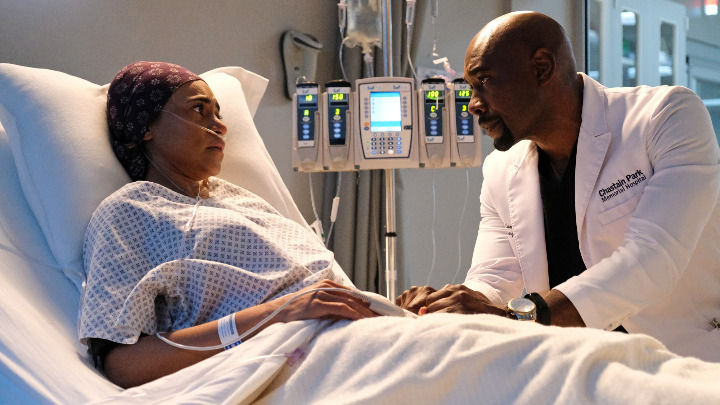
The resolutions to these terrifying medical mysteries relied on unparalleled clinical observation and the willingness to look beyond standard laboratory results into the daily lives of the patients.
For Pete Goldense, the definitive diagnosis was Scurvy (Vitamin C Deficiency) causing Secondary Pulmonary Hypertension. The brilliant "medical detective" breakthrough was made by Nurse Nic Nevin. Realizing that Pete's extreme pandemic isolation was the key, she investigated his home environment. The clinical clue was found in his kitchen pantry: Pete had been surviving exclusively on stockpiled rice and beans for over a year, with absolutely zero intake of fresh fruits or vegetables. This extreme dietary restriction led to a profound deficiency of vitamin C, triggering scurvy, which directly caused his capillary fragility (the unexplained bruising) and fundamentally altered his pulmonary vasculature, resulting in severe pulmonary hypertension.
For Rose Williams, the definitive diagnosis for her sudden crash was Sepsis leading to Acute Kidney Injury (AKI) and Renal Failure. Because her immune system was wiped out for the gene therapy, a localized infection rapidly became systemic. The systemic inflammation of sepsis caused massive vasodilation (widening of the blood vessels), leading to a dangerous drop in blood pressure. This hypotensive state starved her kidneys of adequate blood flow, causing acute renal failure, identified clinically by her sudden inability to produce urine and a dangerous, toxic accumulation of potassium in her blood.
For Carol Austin, the diagnosis remained Stage IV Lung Cancer, but a crucial clinical clue shifted her prognosis: genetic testing of her tumor identified a specific targetable mutation.
Etymology of the Diagnoses
The word "Scurvy" is believed to derive from the Old Norse word skyrbjugr, which roughly translates to a swelling or edema related to consuming sour milk, or from the Latin scorbutus. "Pulmonary Hypertension" is highly descriptive: "Pulmonary" (relating to the lungs) and "Hypertension" (excessive pressure). "Sepsis" comes from the ancient Greek word sepsis, meaning "putrefaction" or "decay," perfectly describing the systemic rot caused by an overwhelming bloodstream infection.
Brief Pathophysiology
Scurvy is a disease of defective collagen synthesis. Vitamin C (ascorbic acid) is a vital cofactor required for the enzymes that stabilize collagen fibers. Without it, the body's connective tissues quite literally begin to fall apart. This leads to weakened capillary walls, causing the spontaneous bruising and bleeding Pete experienced. Furthermore, Vitamin C plays a crucial, lesser-known role in vascular tone and the synthesis of nitric oxide (a potent vasodilator). A profound deficiency can lead to vasoconstriction and vascular remodeling in the lungs, directly causing secondary pulmonary hypertension and forcing the right side of the heart to pump against immense, crushing resistance.
In Rose’s case, Sepsis triggers a massive, uncontrolled immune cascade. Bacterial toxins cause the release of inflammatory cytokines, which damage the endothelial lining of blood vessels, causing them to leak and dilate. This results in profound hypotension (septic shock). When the mean arterial pressure drops too low, the kidneys are deprived of oxygenated blood. The delicate filtration tubules within the kidneys suffer ischemic damage and die (acute tubular necrosis), leading to immediate acute kidney injury, anuria (lack of urine), and the deadly buildup of metabolic waste.
Real-World Epidemiology
Historically known as the scourge of sailors during the Age of Discovery, scurvy is exceedingly rare in the modern developed world. Today, it is almost exclusively seen in populations with severely restricted diets, such as individuals with extreme psychiatric disorders, profound alcoholism, or, as highlighted in this episode, those subjected to extreme environmental isolation. Sepsis, on the other hand, is a leading cause of mortality in modern hospitals, particularly in immunocompromised patients, affecting millions globally each year. Sickle cell disease is the most common inherited blood disorder in the United States, predominantly affecting individuals of African descent, and the pursuit of a genetic cure remains one of the most heavily funded areas of modern hematological research.

Specialized Treatments Administered

The medical management in this episode highlights the incredible spectrum of modern medicine, ranging from simple nutritional replenishment to highly advanced cellular engineering.
To save Pete Goldense from his scurvy-induced heart failure, the treatment was remarkably simple yet profoundly effective. Once the deficiency was identified, the team administered high-dose intravenous Vitamin C. Because his pulmonary hypertension was driven by an acute metabolic deficiency rather than permanent structural scarring, the reintroduction of ascorbic acid resulted in an almost immediate, dramatic reduction in his pulmonary artery pressure, reversing his right-sided heart strain. This nutritional rescue was paired with emergency trauma surgery to physically repair the Grade III liver laceration caused by his syncopal fall.
Rose Williams required intense, multi-system critical care. To combat the sepsis, she was placed on broad-spectrum, aggressive intravenous antibiotics. Because the septic shock had caused acute kidney injury and renal failure, her body could no longer filter toxins. The medical team had to intervene with emergency dialysis, utilizing a machine to artificially filter her blood and correct her dangerous potassium levels. Thanks to the relentless persistence of Dr. Devon Pravesh and Dr. Cain, Rose’s hemodynamics were stabilized. She survived the septic shock, keeping the hope for her 500 million genetically modified cells to engraft and cure her sickle cell disease alive.
For Carol Austin, the identification of a specific genetic mutation allowed her oncology team to shift her treatment paradigm. She transitioned from the fear of systemic, conventional chemotherapy to Targeted Therapy. This involves specialized medications designed to specifically seek out and attack the mutated cancer cells while sparing her healthy tissue, offering a significantly higher quality of life.

A Curious Medical Fact: The Reversible Pulmonary Crisis
One of the most fascinating clinical pearls hidden within Pete's case is the concept of reversible pulmonary hypertension. In most clinical scenarios, pulmonary hypertension is an irreversible, progressive disease caused by chronic heart failure, chronic lung disease (like COPD), or permanent fibrotic scarring of the pulmonary arteries. However, scurvy presents a unique physiological loophole. Because Vitamin C is essential for maintaining the normal function of the vascular endothelium (the inner lining of blood vessels) and mediating oxidative stress, its absence causes the pulmonary vessels to spasm and constrict tightly. When a patient is flooded with high-dose intravenous Vitamin C, this endothelial dysfunction is rapidly corrected. The blood vessels relax, and the pulmonary pressures can drop back to normal in a matter of hours or days—a rare, "curable" form of a typically terminal cardiovascular condition.

🔖 Key Takeaways
🗝️ Scurvy (Vitamin C deficiency) is a rare but entirely possible modern diagnosis, typically seen in patients with extreme dietary restrictions, psychiatric conditions, or profound social isolation.
🗝️ Severe Vitamin C deficiency impairs collagen synthesis and vascular tone, leading to spontaneous bruising (capillary fragility) and, in rare cases, reversible secondary Pulmonary Hypertension.
🗝️ Sickle Cell Disease gene therapy requires myeloablative conditioning, which wipes out the patient's immune system and leaves them highly vulnerable to deadly opportunistic infections and sepsis.
🗝️ Sepsis causes profound systemic vasodilation and hypotension (septic shock), which frequently starves the kidneys of blood flow, leading to Acute Kidney Injury (AKI) and the need for emergency dialysis.
🗝️ Grade III Liver Lacerations are severe traumatic injuries that can cause massive internal bleeding, requiring immediate operative intervention to achieve hemodynamic stability.
🗝️ Targeted therapy for Stage IV Lung Cancer relies on genetic tumor profiling to attack specific cellular mutations, offering a highly effective alternative to traditional, highly toxic chemotherapy.
Keywords: The Resident Medical Review S4E12
The Resident Medical Review S4E12


Comments